
Porcelain Tile Upgrades in UAE Renovation Projects
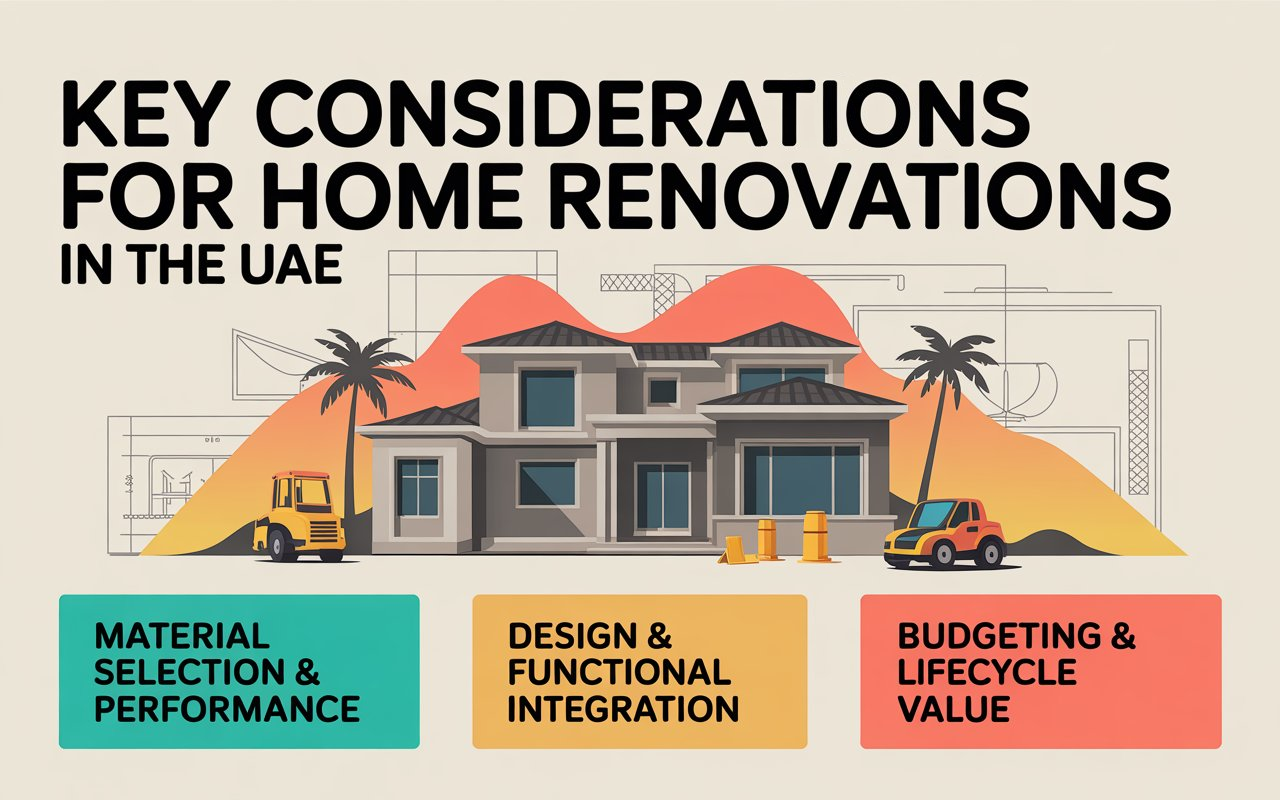
Renovation projects in the UAE present unique demands: existing structures, changing layouts, and the need to bring older interiors up to modern standards without full rebuilds. In such settings, tile selection plays a critical role ; not only in aesthetics, but in durability, maintenance cost and integration with existing systems and finishes.
Renovation Context & Material Challenges
In a renovation, you often contend with existing substrate conditions, transitions between old and new areas, and the pressure to deliver visible value for money. Floors or walls may have uneven subfloors, partial demolition, or differing finishes in adjacent areas. For example, replacing a living room floor or upgrading a bathroom in a villa built earlier requires material solutions that will integrate seamlessly, resist irregularities, and deliver long-term performance. Porcelain stoneware emerges as an optimal choice because it is dense, dimensionally stable, and exhibits absorption rates of 0.5% or less under ISO 10545-3. That low absorption indicates fewer issues with moisture migration, efflorescence, or joint failure, all risks in retrofit scenarios where the original build may not have used modern waterproofing systems.
Performance & Specification Benefits
When specifying porcelain in renovation, several technical advantages are critical. First, its non-porous nature means stains, moisture, and wear are less likely to degrade the surface over time. According to technical sources, large-format porcelain slabs reduce the number of joints and therefore reduce maintenance burdens, visual interruption, and accumulation of dirt. In practical terms for renovation, this means fewer tiles to replace, fewer mismatched batches, and a smoother finish across old-new transitions. Secondly, many manufacturers and industry studies highlight that large slabs (for example, 120×120 cm or larger) shorten installation time and reduce grout exposure, which is key when site shutdown times must be minimized. Thirdly, in regions like the UAE, where indoor areas are air-conditioned and humidity-controlled but often adjacent to outdoor spaces, the high abrasion resistance and low absorption of porcelain support materials that were not originally designed for such regimes.
Design & Value Proposition
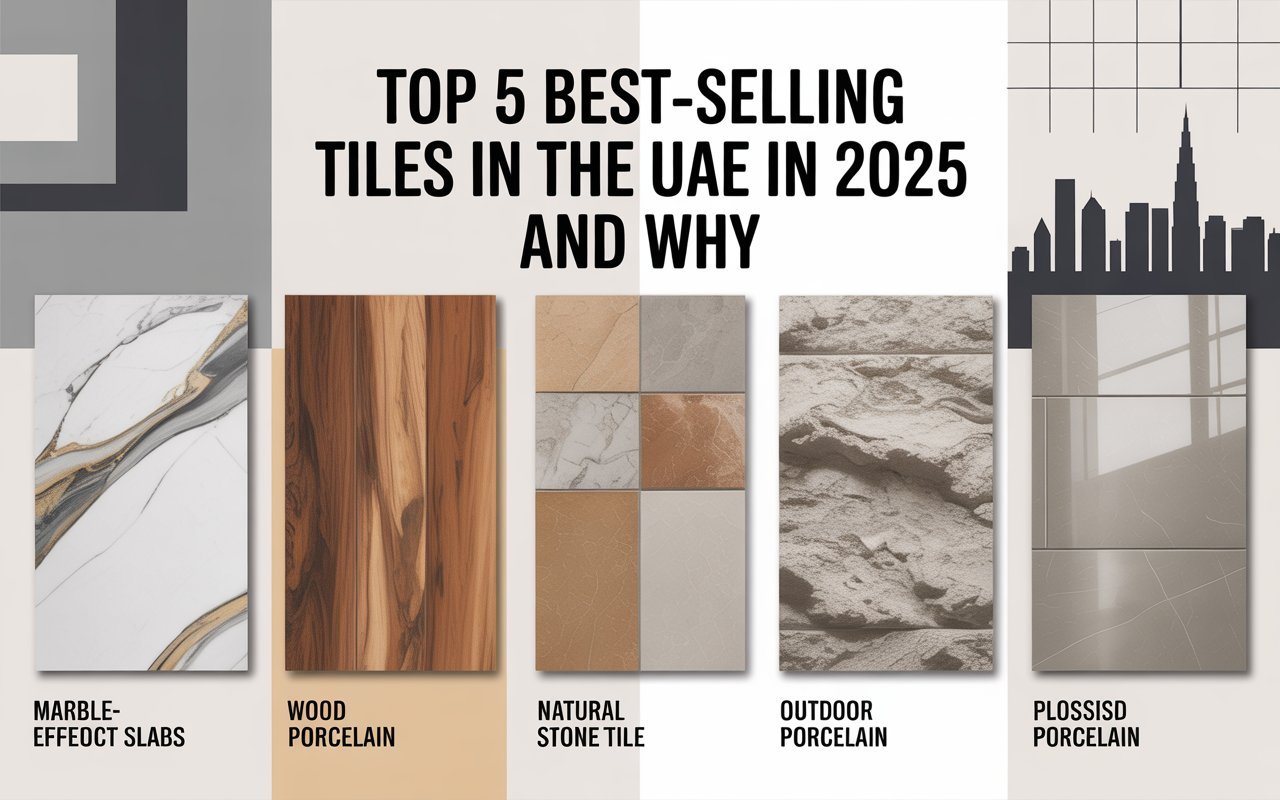
From a design perspective, renovation customers want not just durability but fresh, premium looks. Porcelain’s ability to mimic natural stone, wood, or marble surfaces—while delivering modern performance—plays directly into this requirement. Renovations in Dubai or Sharjah villas often include upgrades of floors, shower walls, or outdoor terraces to improve value and lifestyle. By choosing porcelain slabs with refined finishes, minimal grout lines, and stable tones, designers can achieve a luxury aesthetic while minimizing future maintenance. This aligns with the long-term value owners seek: one specification that lasts, adapts, and supports resale value or rental yield.
Application Case & Practical Considerations
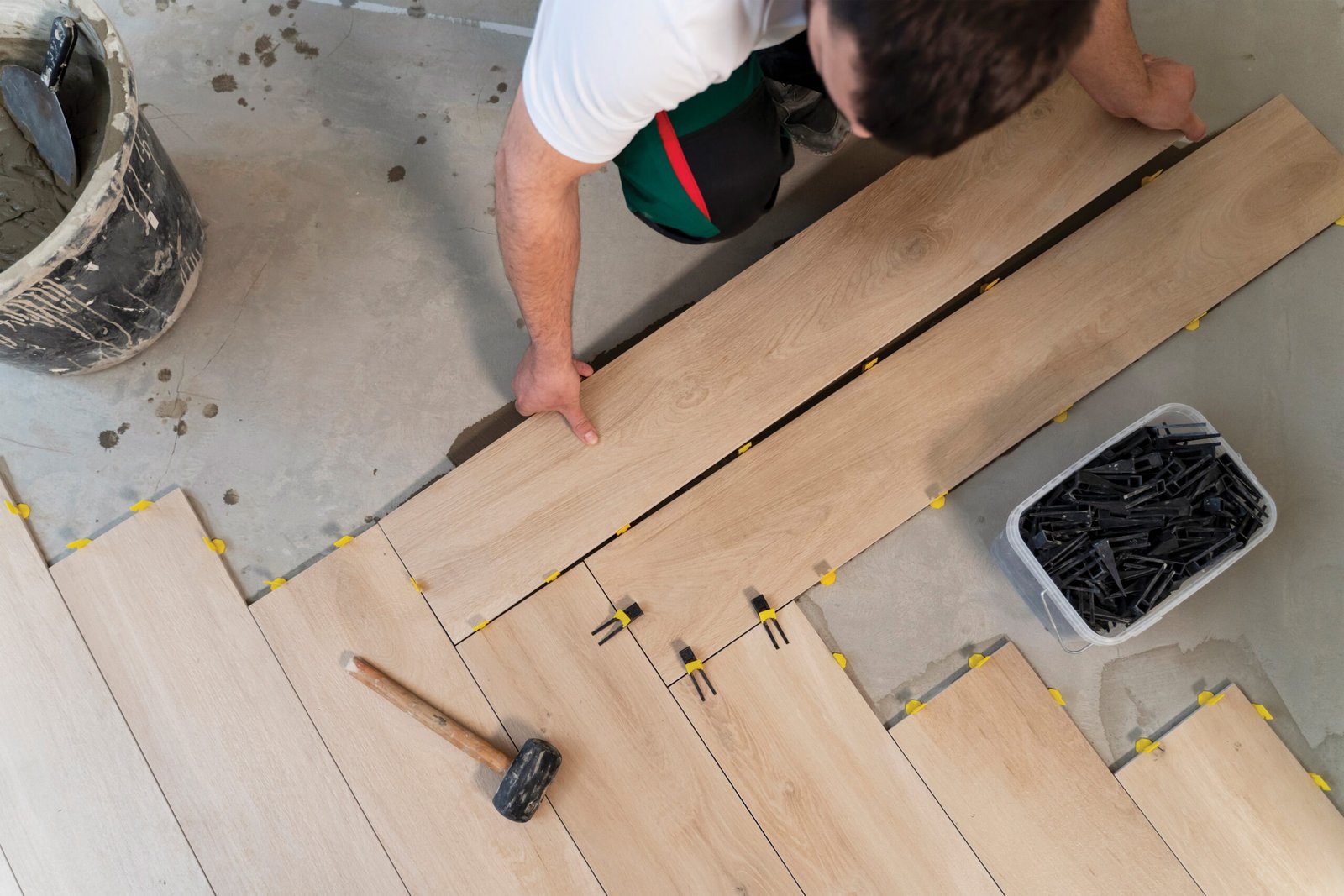
For example, in a villa bathroom renovation, replacing dated tile with large porcelain slabs means fewer joints, improved waterproofing compatibility, easier cleaning, and better visual continuity. Also, the same tile collection may extend to living or dining areas, creating a coherent flow across the home. In procurement terms, renovation budgets are tight, so choosing high-performance tile that will not need replacement for many years is cost-effective. The lifecycle cost benefit means less disruption, fewer replacements, and lower accumulation of maintenance expenditure. For suppliers and installers in the UAE, specifying correctly rated porcelain, ensuring proper substrate preparation (flatness, levelness), and using recommended adhesives and grouts are all critical to achieving the promise of the material. In conclusion, renovation projects in the UAE benefit significantly from high-quality porcelain tile upgrades. When correctly specified and installed, they deliver both performance and aesthetics, integrate elegantly with existing structures, and bolster long-term asset value.
FAQs
Q: Why is porcelain tile recommended for renovation projects in the UAE?
A: Porcelain is dense, durable, and low-absorption (≤0.5%), making it suitable for older structures where moisture and substrate issues are common.
Q: How does porcelain handle uneven or existing subfloors?
A: Its dimensional stability allows it to perform well over corrected substrates. With proper leveling, it masks imperfections better than softer materials.
Q: Do large-format tiles reduce renovation time and maintenance?
A: Yes. Larger slabs mean fewer grout lines, faster installation, and easier long-term cleaning—important when site downtime must be minimized.
Q: What should be checked before installing porcelain in older interiors?
A: Substrate flatness, waterproofing integrity, and correct adhesive selection must be ensured to avoid future cracking or bond failure.